Founded in 1979, with 40+ years of professional experiences.
Explore Our History


Time: 2026-01-27 06:31:11
These characteristics make it the preferred aggregate for high-performance refractory formulations.
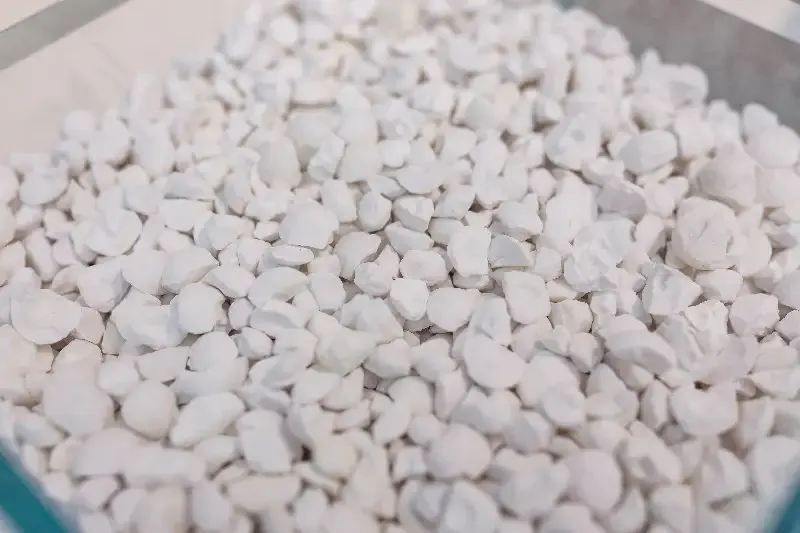
1.High Purity and Chemical Stability
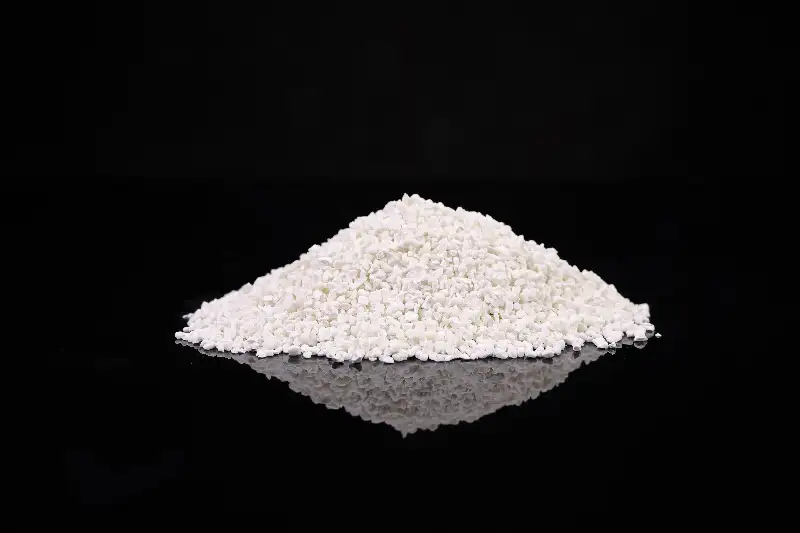
Plate-like alumina typically contains over 99.2% Al₂O₃, exhibiting excellent resistance to chemical attack from molten slag, molten metal, and corrosive gases. This high purity ensures a long service life in high-temperature, highly corrosive environments.2.Low Porosity and High Mechanical Strength
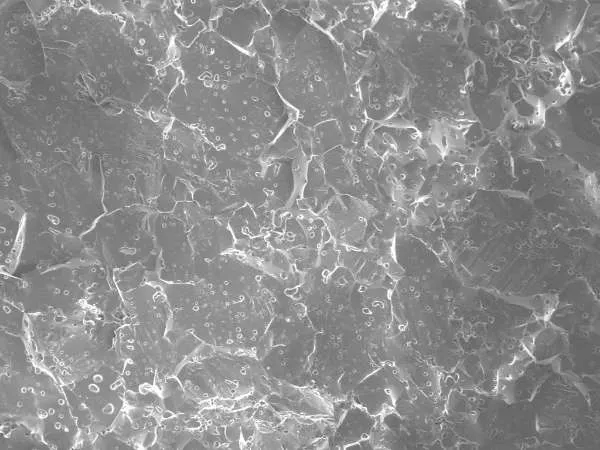
Plate-like alumina possesses low apparent porosity and high bulk density, resulting in excellent cold-pressing strength and abrasion resistance. These properties are crucial for refractory materials subjected to mechanical wear and impact.3.Excellent Thermal Shock Resistance
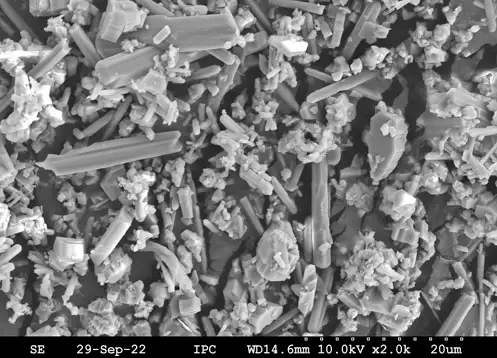
The stable α-Al₂O₃ crystal structure allows plate-like alumina to withstand rapid temperature fluctuations without cracking or spalling, making it an ideal material for furnaces and vessels requiring frequent heating and cooling cycles.4.High Refractoriness and Creep Resistance
Plate alumina maintains its structural integrity even at extremely high temperatures, exhibiting excellent resistance to load deformation, thus ensuring its dimensional stability during long-term use.1.Steelmaking and Metallurgical Furnaces
In ladles, tundishes, and blast furnace charge bins, plate alumina exhibits excellent resistance to molten steel, slag erosion, and thermal shock.2.Cement Rotary Kiln
Plate alumina is used in kiln linings and transition zones where abrasion, high temperatures, and chemical corrosion occur simultaneously.3.Glass Furnace
Its high purity and thermal stability make plate alumina suitable for glass furnace refractories requiring long-term continuous operation and minimal pollution.4.Petrochemical and Power Generation Facilities
Plate alumina performs reliably in cracking furnaces, reactors, and incinerators, even under harsh thermal and chemical conditions.Q:What is the difference between plate alumina and molten alumina?
A:Plate alumina is produced by sintering, while molten alumina is made by melting alumina in an electric arc furnace. Tabular alumina exhibits a more uniform crystal structure, lower impurity content, and better thermal stability.
Q:Is tabular alumina suitable for low-cement castables?
A:Yes. Due to its high purity, low porosity, and excellent high-temperature performance, tabular alumina is widely used in low-cement and ultra-low-cement castables.
Q:Can tabular alumina improve thermal shock resistance?
A:Yes. The stable α-Al₂O₃ structure of tabular alumina significantly improves its thermal shock resistance, especially in applications with frequent temperature changes.
Q:Which industries benefit most from tabular alumina?
A:The steel manufacturing, cement, glass, petrochemical, and power generation industries benefit the most due to their stringent requirements for high-temperature operating conditions.