Founded in 1979, with 40+ years of professional experiences.
Explore Our History

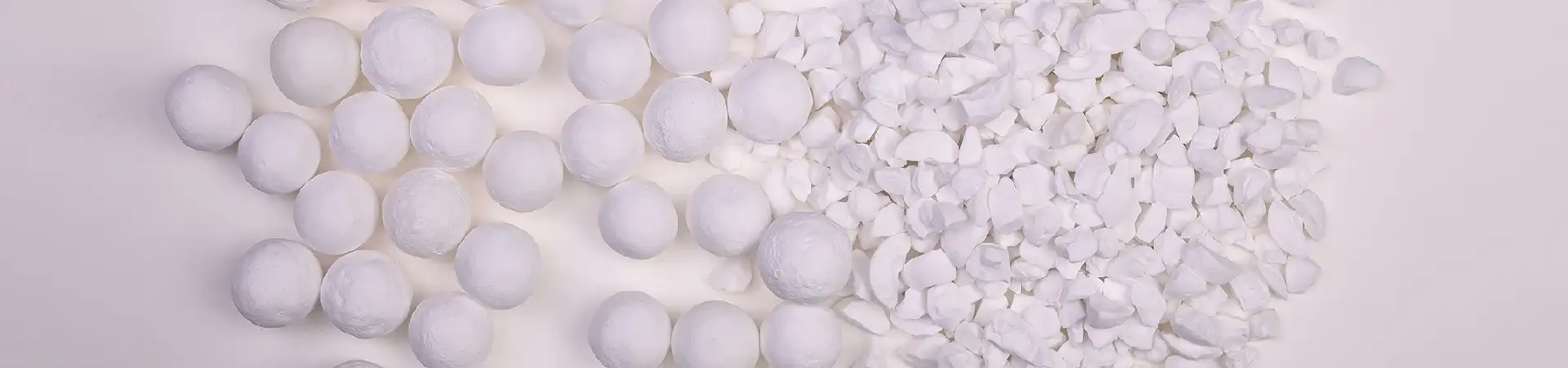
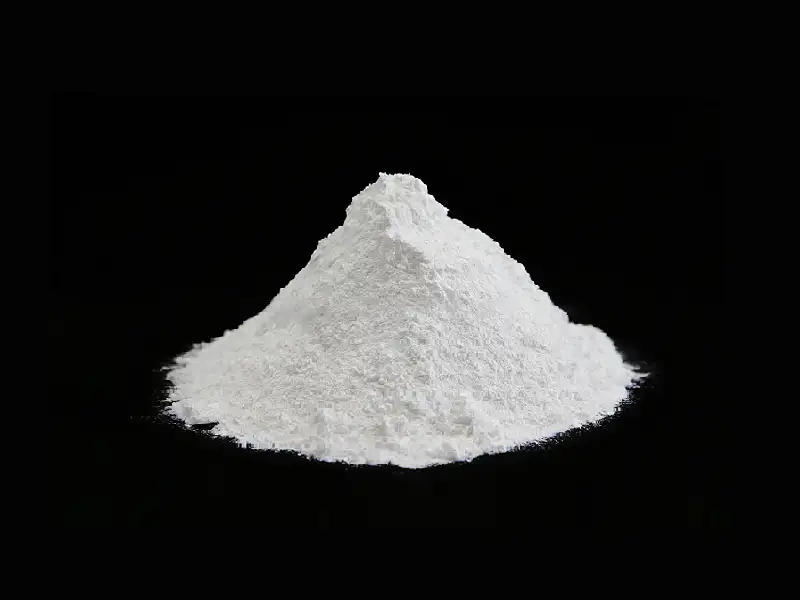
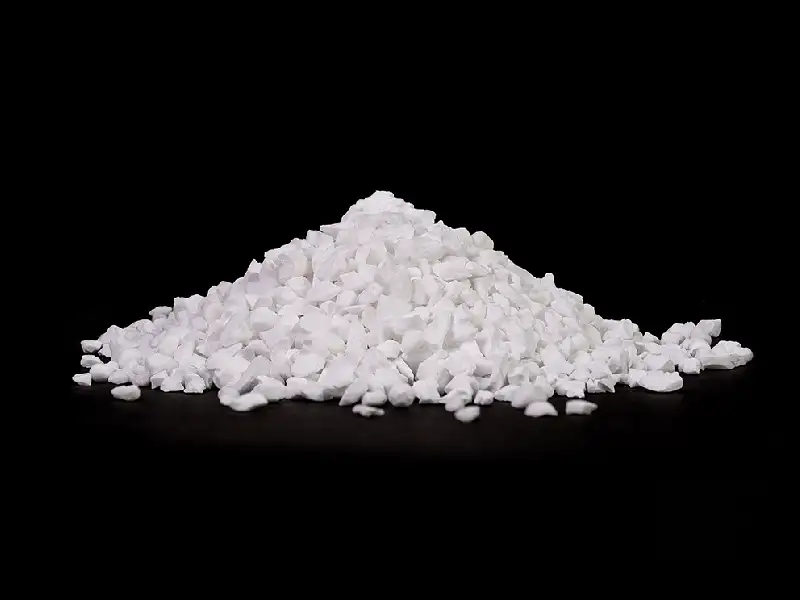
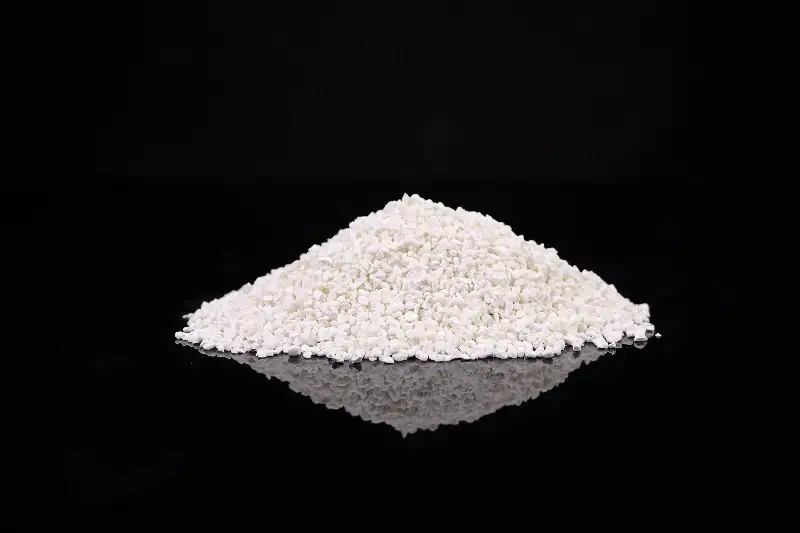
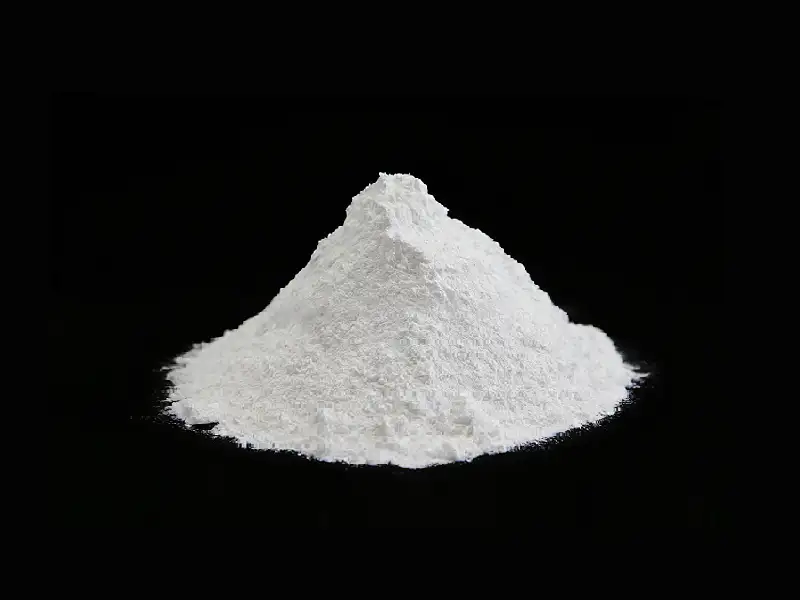
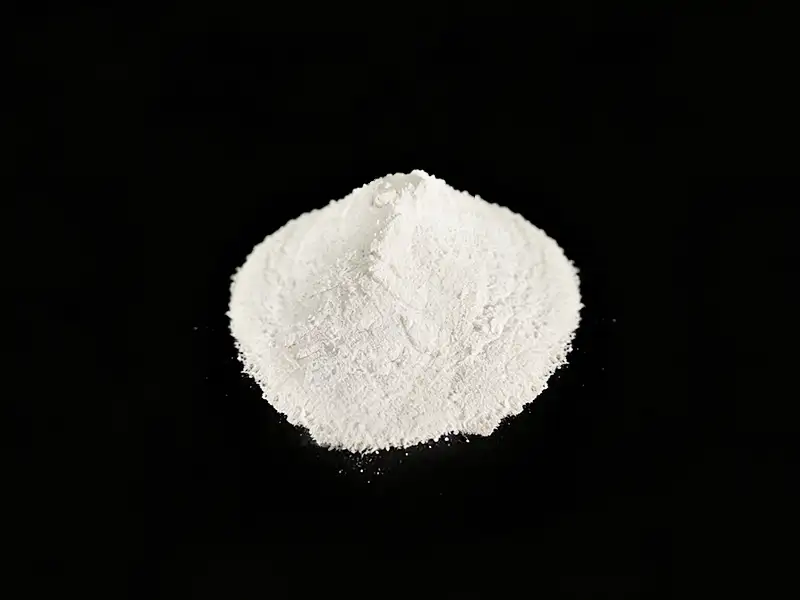
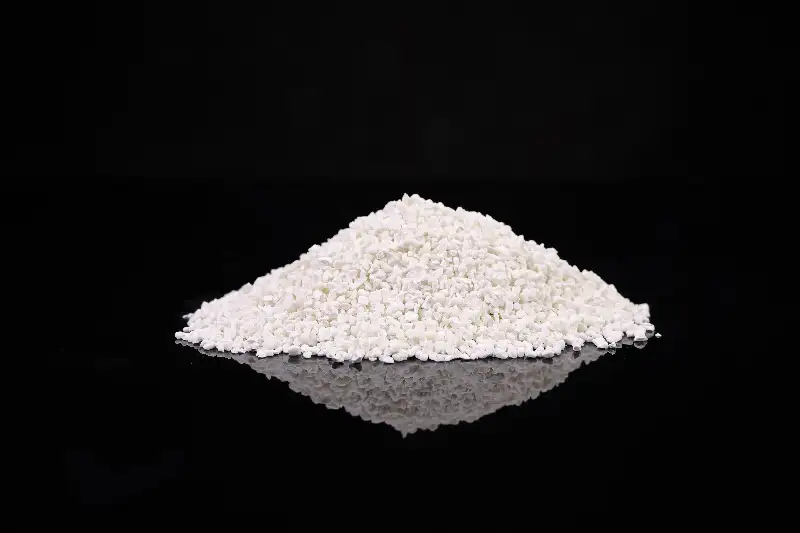
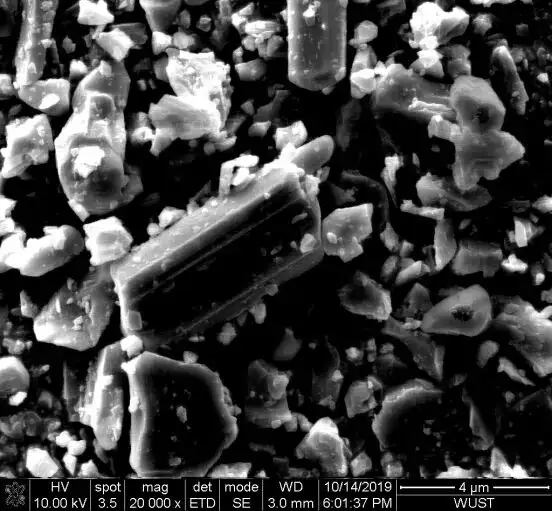
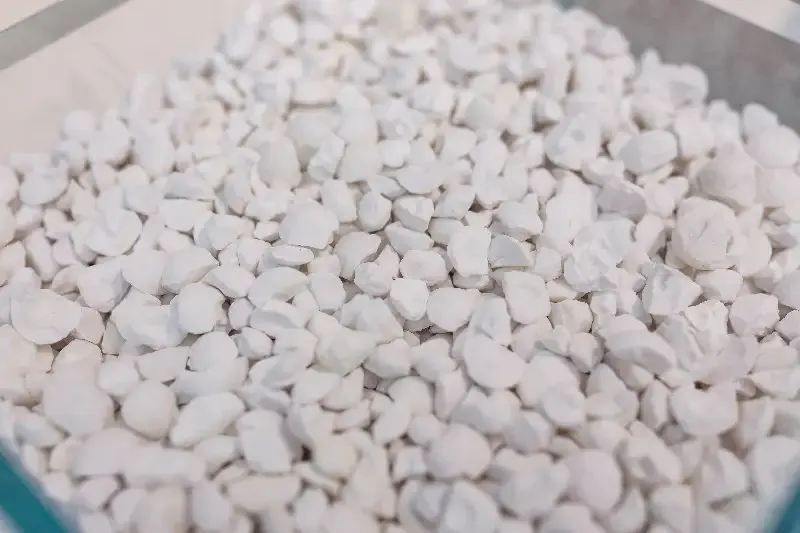
Reactive alumina ultrafines are made through calcining technique, grinding process and multi-stage power size separation.
They are featured by high purity, optimized particles size distribution and good sinterability, suitable for high performance refractories and electronic ceramics products.
Reactive alumina ultrafines are made through calcining technique, grinding process and multi-stage power size separation.
They are featured by high purity, optimized particles size distribution and good sinterability, suitable for high performance refractories and electronic ceramics products.
They can be well controlled in particle size distribution in the ranges of micron and submicron, leading to excellent grain packing density, beneficial rheological property for good workability as well as good sinterability to play unique roles in refractories, as highlighted below:
1. Dense particle packing to reduce water demand;
2. Enhancing mechanical strength and wear resistance by forming a stronger bonding phase.
3. High-temperature performance of refractories incorporated with them can be improved by replacing normal powders with lower grade.
|
Chemical Composition |
Unit |
HA115 |
HA203 |
|
Al2O3 |
% |
≥ 99.5 |
≥ 99.6 |
|
Na2O |
% |
≤ 0.25 |
≤ 0.12 |
|
SiO2 |
% |
≤ 0.06 |
≤ 0.06 |
|
Fe2O3 |
% |
≤ 0.03 |
≤ 0.03 |
|
CaO |
% |
≤ 0.03 |
≤ 0.03 |
|
Physical Properties |
|||
|
D50/Malvern |
μm |
1.5-2.0 |
2.0-2.8 |
|
D90/Malvern |
μm |
≤ 6.0 |
≤ 7.0 |
|
BET |
m2/g |
2.0-5.0 |
1.0-4.0 |
|
Particle size distribution |
/ |
Monomodal |
Bimodal |
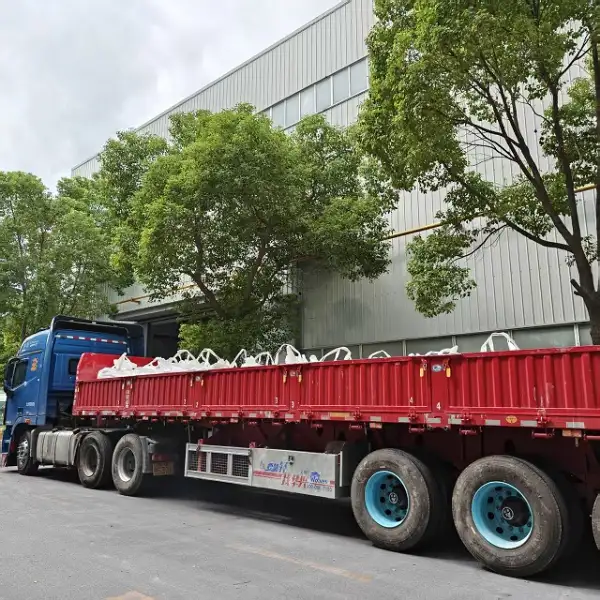
Packing: 25kg bag / 1000kg big bag / as per customer’s request