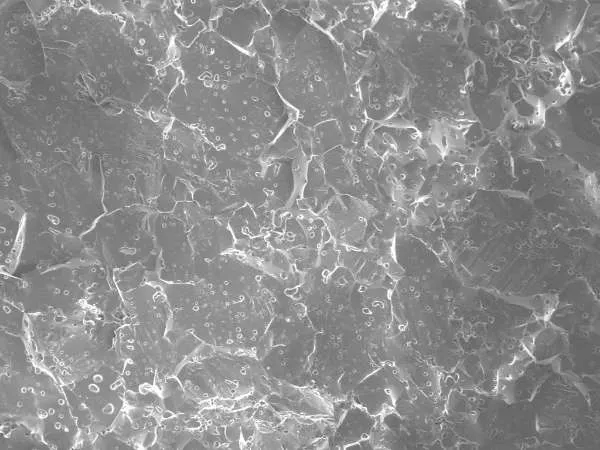
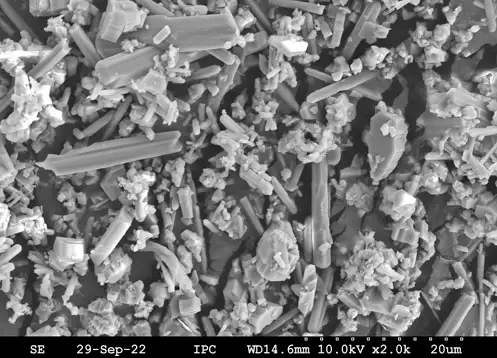
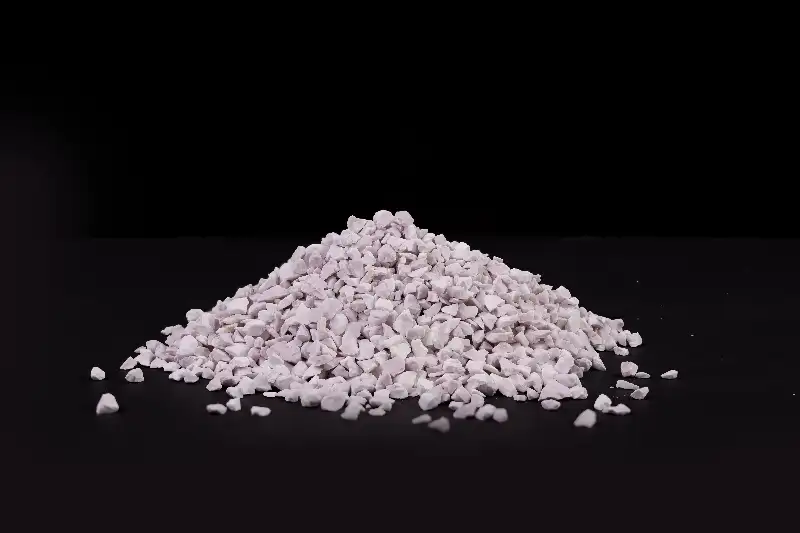
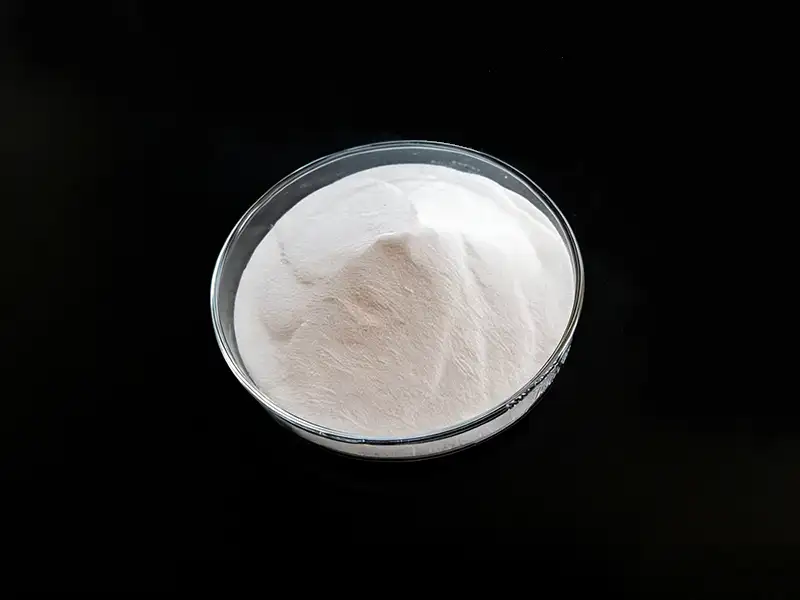
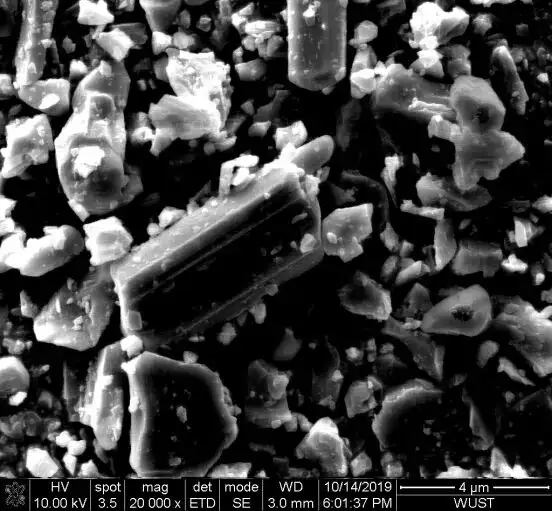
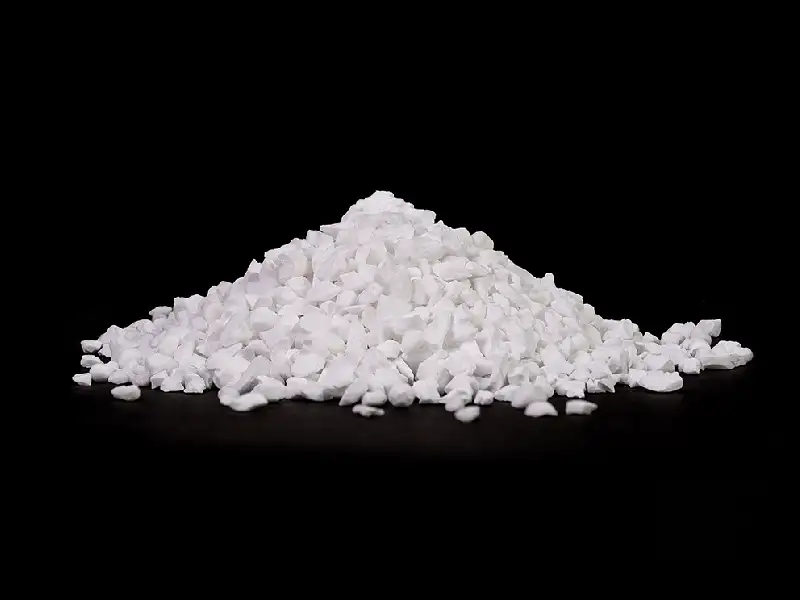
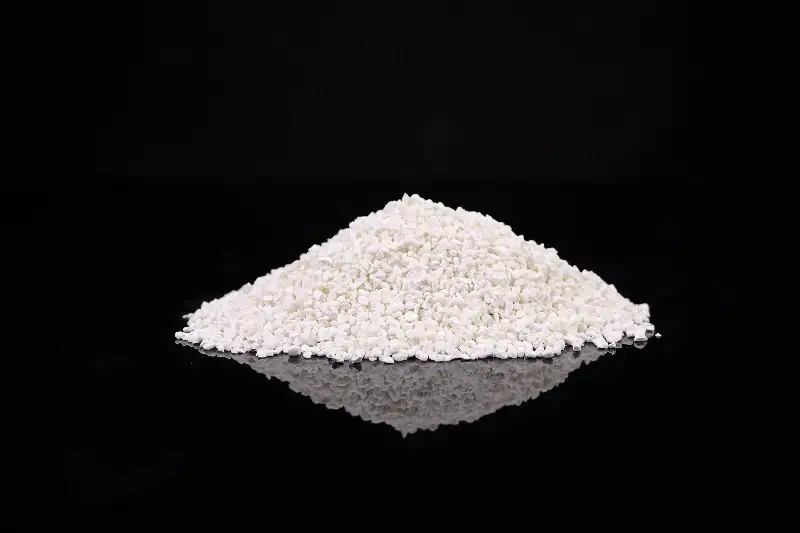
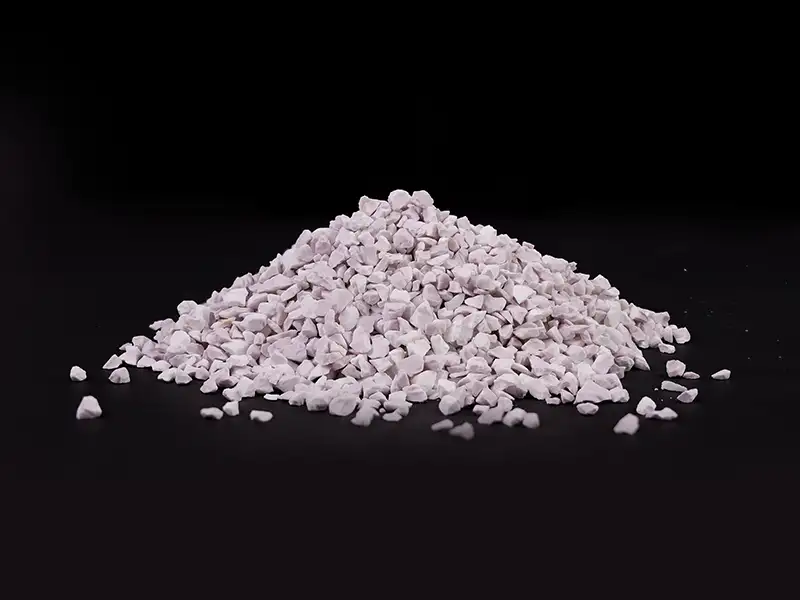
Sintered Magnesium Aluminate Spinel (MA Spinel) is a composite refractory material formed by high-temperature sintering of magnesium oxide (MgO) and aluminum oxide (Al₂O₃) as main raw materials. It has a stable chemical structure and dense crystals, making it one of the most widely used and important refractory raw materials in modern high-temperature industries.
Compared to fused spinel, sintered MA spinel has advantages such as stable production process, controllable particle size distribution, and high cost-effectiveness, making it particularly suitable for the industrial production of large quantities of refractory products.
I. Characteristics of Sintered MA Spinel
Due to its unique physical and chemical properties, sintered MA spinel performs excellently under high-temperature conditions. Its main characteristics include:
1. Excellent High-Temperature Resistance
Sintered MA spinel has a high melting point and can be used stably for extended periods above 1700℃, making it suitable for various extreme high-temperature environments.
2. Excellent Thermal Shock Resistance
Its low coefficient of thermal expansion makes it less prone to cracking under frequent temperature fluctuations, effectively extending the service life of refractory materials.
3. Excellent Slag Erosion Resistance
It exhibits strong resistance to alkaline slag, iron slag, and non-ferrous metal slag, making it particularly suitable for the metallurgical and cement industries.
4. Strong Chemical Stability
It remains stable in both oxidizing and reducing atmospheres, and is not prone to structural damage or performance degradation.
II. Applications of Sintered MA Spinel
Sintered MA spinel is an indispensable key refractory raw material in modern high-temperature industries such as iron and steel metallurgy, cement, glass and ceramics, as well as non-ferrous metals and chemicals, due to its excellent high-temperature resistance, erosion resistance, and structural stability.
1. Iron and Steel Metallurgy Industry
Iron and steel metallurgy is one of the most core and largest application areas for sintered MA spinel. In steelmaking, the furnace operates under complex conditions of prolonged high temperatures, strongly alkaline slag, and frequent temperature fluctuations, placing extremely high demands on refractory materials.
Main Applications
Ladle Lining
Tundish Refractory Materials
Refractory Linings
RH and LF Furnaces
Advantages
Excellent resistance to alkaline slag erosion, effectively reducing chemical corrosion of the furnace lining by steel slag
Good thermal shock resistance, adapting to frequent tapping and furnace shutdowns
Low structural spalling rate, significantly extending the service life of the furnace lining
Good compatibility with magnesia-carbon bricks, alumina-magnesia castables, etc.
Typical Product Forms
Magnesium-alumina spinel refractory bricks
Alumina-magnesia spinel castables
Aggregates and fine powders for monolithic refractories
2. Cement Industry
In new dry-process cement production lines, rotary kilns and their supporting equipment are subjected to prolonged high temperatures, alkaline dust, and material erosion, placing extremely high demands on the comprehensive performance of refractory materials.
Main Application Areas
Rotary kiln firing zone
Kiln opening and transition zone
Decomposer furnace and tertiary air duct
High wear-resistant lining area
Application Advantages
Stable high-temperature resistance, suitable for long-term operation at 1400–1700℃
Strong resistance to alkali erosion, effectively dealing with cement clinker and alkaline volatiles
Good anti-stripping properties, reducing structural damage caused by temperature changes
Improved kiln operational stability, reducing the frequency of kiln shutdowns for maintenance
Typical Product Forms
Magnesium alumina spinel refractory bricks
Spinel-based castables
High wear-resistant composite refractory materials
3. Glass and Ceramics Industry
The glass and high-end ceramics industries have high requirements for the chemical stability and cleanliness of refractory materials. Sintered MA spinel, due to its low impurity content and stable structure, is gradually becoming an ideal choice.
Main Application Areas
Glass furnace working layer
High-grade industrial ceramic firing kilns
Electric melting furnace and regenerator lining
Application Advantages
Excellent resistance to molten glass erosion, reducing furnace lining contamination
Strong thermal stability, suitable for long-cycle continuous production
Low Fe₂O₃ content, beneficial for high-quality glass and precision ceramic production
Improved product yield and quality stability
Typical Product Forms
High-purity spinel refractory bricks
Fine spinel powder raw materials
Special ceramic refractory components
4. Non-ferrous Metals and Chemical Industry
In non-ferrous metal smelting and high-temperature chemical equipment, the operating conditions are typically characterized by high temperature, strong corrosion, and complex atmospheres, placing extremely high demands on the comprehensive adaptability of refractory materials.
Main Applications
Aluminum and Copper Smelting Furnace Linings
High-Temperature Chemical Reaction Equipment
High-Temperature Heat Treatment Furnaces
Application Advantages
Excellent chemical inertness, stable to various metal melts
Reliable performance in oxidizing and reducing atmospheres
Strong resistance to metal penetration, reducing furnace lining wear
Contributes to improved equipment operation safety and stability
Typical Product Forms
Spinel Refractory Bricks
High-Performance Unshaped Refractory Materials
Customized Refractory Precast Components
III. Grades of Sintered MA Spinel
Based on chemical composition, purity, and particle size distribution, sintered MA spinel is generally classified into the following grades:
1. Ordinary Grade Sintered MA Spinel
Moderate MgO content
Suitable for conventional refractory bricks and unshaped refractory materials
Low cost, wide application
2. High-Purity Grade Sintered MA Spinel
Low impurity content
Denseer structure
Suitable for high-end steel ladles, refining furnaces, and high-requirement operating conditions
3. Custom-grade Sintered MA Spinel
MgO/Al₂O₃ ratio can be adjusted according to customer needs
Supports different particle size distributions
Meets the needs of special working conditions or high-end refractory products
IV. Conclusion
Sintered MA spinel, as a high-end refractory raw material with stable performance and wide applications, plays an irreplaceable role in industries such as steel, cement, glass, and non-ferrous metals. Its excellent high-temperature resistance, thermal shock resistance, and erosion resistance make it an important component of modern high-temperature industrial refractory solutions.
With the continuous improvement of the performance requirements of refractory materials in high-temperature industries, the application scope and market demand of sintered MA spinel will continue to expand, possessing excellent development prospects.