Founded in 1979, with 40+ years of professional experiences.
Explore Our History


Time: 2026-01-27 08:04:29
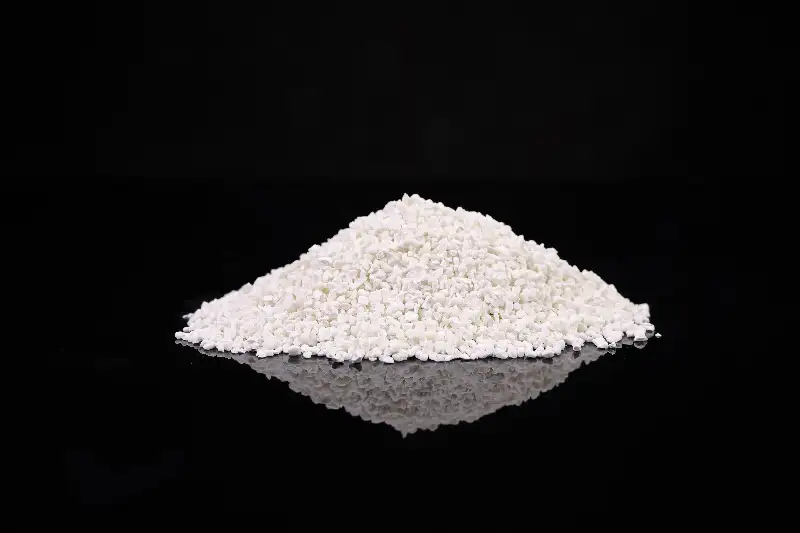
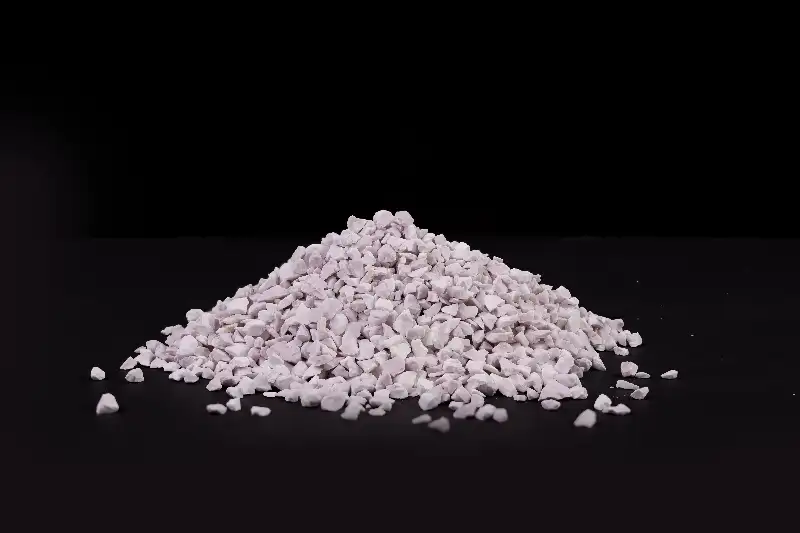
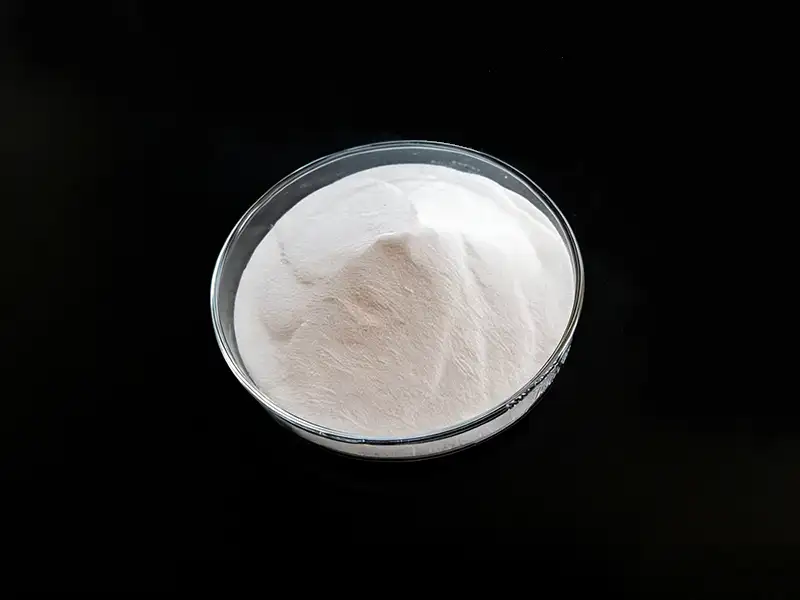
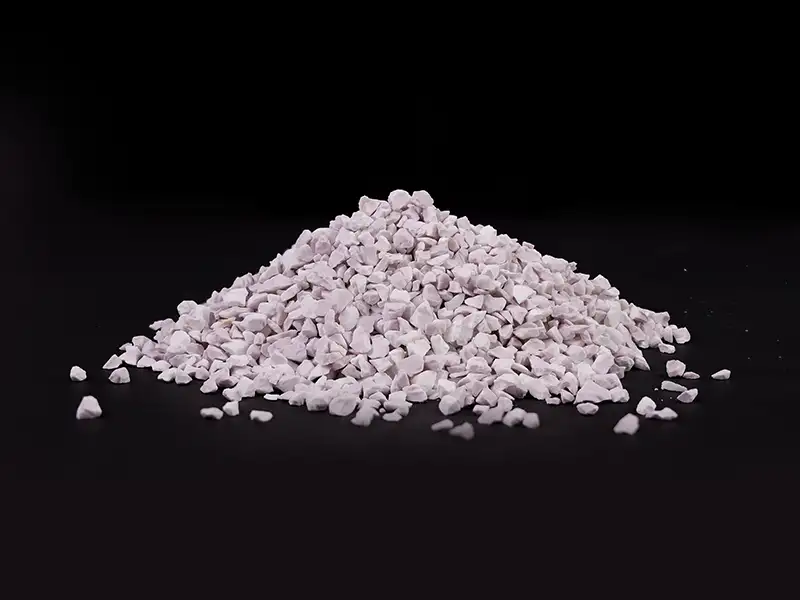
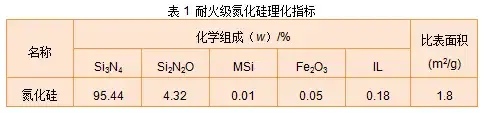
Jiangsu Jingxin New Materials Co., Ltd. has developed silicon nitride micropowder with controllable crystal structure. Its main phase is β-Si3N4, containing small amounts of α-Si3N4 and Si2N2O, as well as trace amounts of residual free Si, where β-Si3N4 > 80% and α-Si3N4 > 10%. The physicochemical properties of the refractory-grade silicon nitride raw material are shown in Table 1. The silicon nitride micropowder exhibits a bimodal particle size distribution, with a d50 of approximately 4.91 μm.
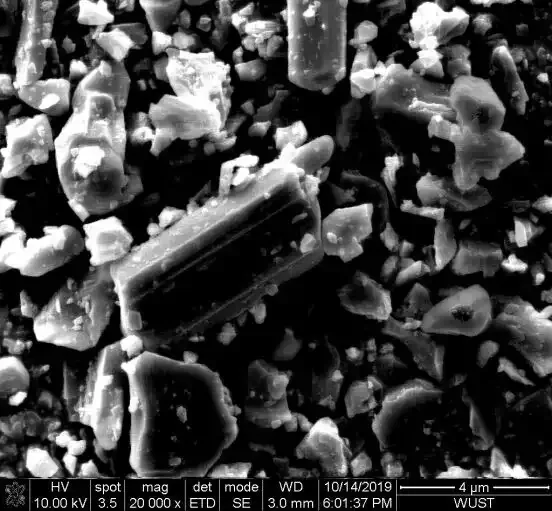
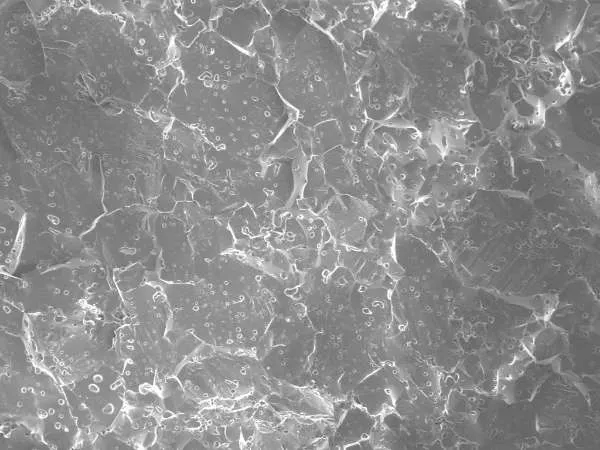
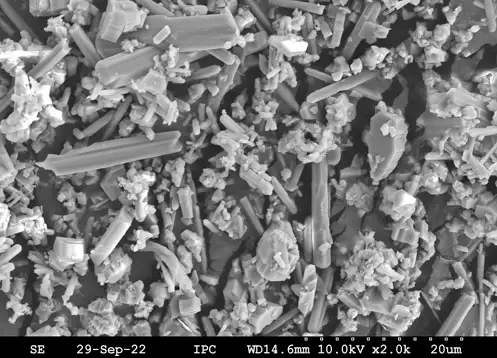
SEM images of silicon nitride micro powder
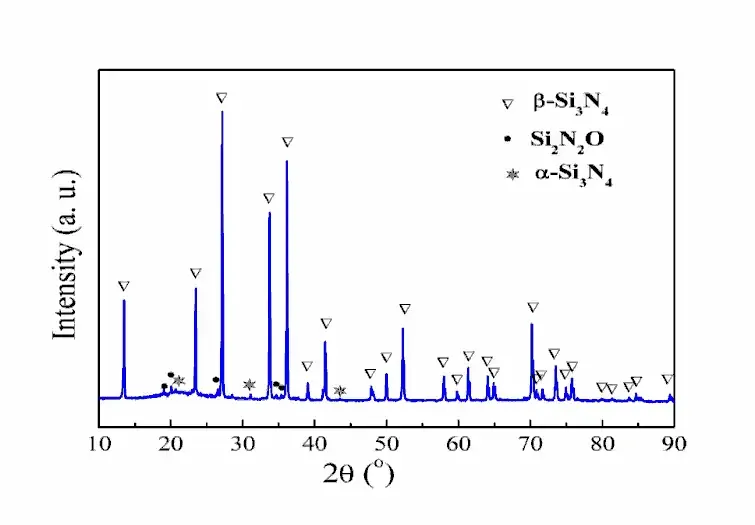
XRD phase analysis of refractory silicon nitride micro powder
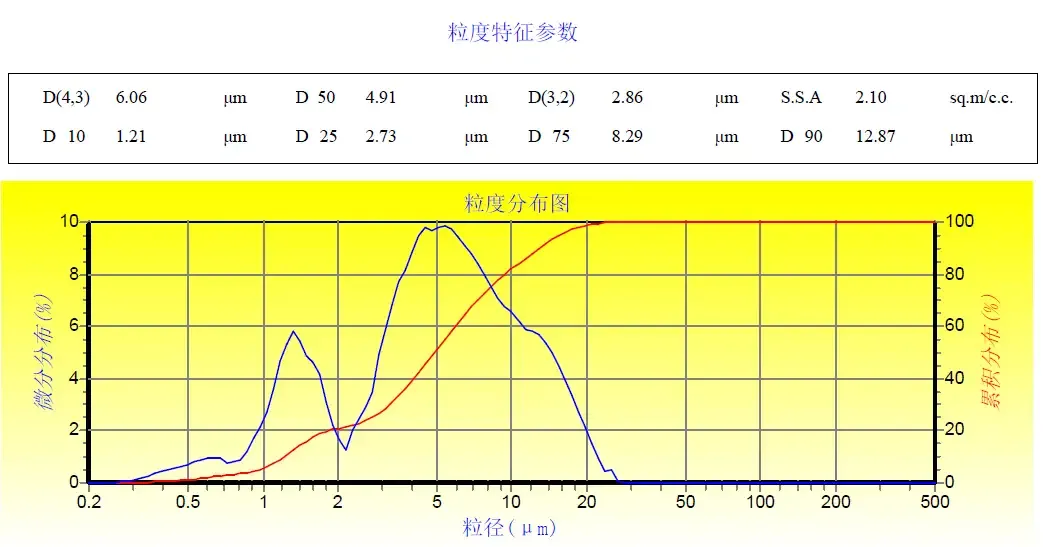
Silicon nitride micro powder particle size distribution
Introducing silicon nitride into Al2O3-SiC-C iron trench castables can reduce the amount of liquid phase generated during high-temperature use, forming a SiAlON phase, improving slag resistance and mechanical properties, and addressing the unsatisfactory performance of silicon nitride iron in areas of strong oxidation and thermal erosion.
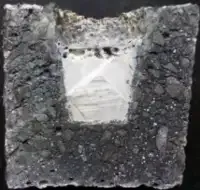
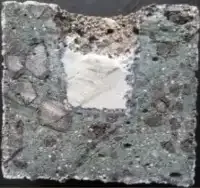
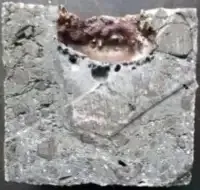
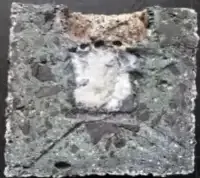
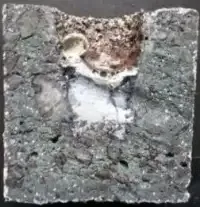
Introducing 3% silicon nitride micropowder into slide plates to replace part of the original fine powder, after heat treatment with carbon embedding at 1400℃, the bulk density, apparent porosity, and linear change rate of the samples were not significantly different from the original formula. The room temperature flexural and compressive strengths increased significantly, and the hot flexural strength was improved. This is because the silicon nitride micropowder forms SiAlON on the surface of the corundum aggregate, improving the interfacial bonding strength between the matrix and particles; with the increase in the interfacial bonding strength between the aggregate matrix and particles, the thermal shock resistance of the samples improved. The slag erosion resistance of the samples was also improved, while the oxidation resistance was not significantly different.
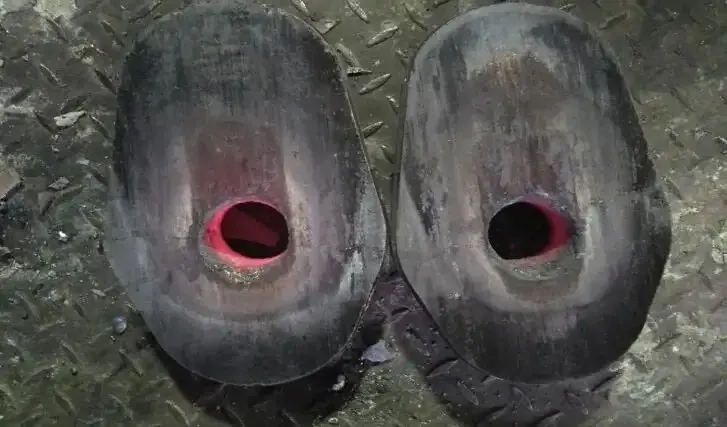
Photo of a silicon nitride skateboard after 4 consecutive rides
The trial-produced silicon nitride slide plate was tested in a 50-ton steel ladle at a steel plant. The pouring temperature was 1530~1580℃ and the pouring time was 40~50 minutes. After four uses, the surface condition of the plate was good and could meet the requirements of on-site use.